Cerca Otavalo
Saturday March 9, 2019

Tonight is my last night in Otavalo and I couldn’t have had a better day to end the visit. Otavalo is known for it’s enormous Saturday market. Originally the way the local indigenous communities came together to swap their goods, it turned into ‘a thing’ and then ‘the thing’ to do on Saturdays. Tourists and locals alike flock here to shop the booths that expand from their usual daily location in Plaza de los Ponchos, to take over about half the streets in town. It’s really incredible to see. Many handmade goods from the surrounding villages but as with all tourist attractions, also many imported goods and knock-offs. Either way – it’s still really fun to walk the booths and see all the different goods. (Sorry about the pics – for all the hype I took almost no pics of the market 😦 )

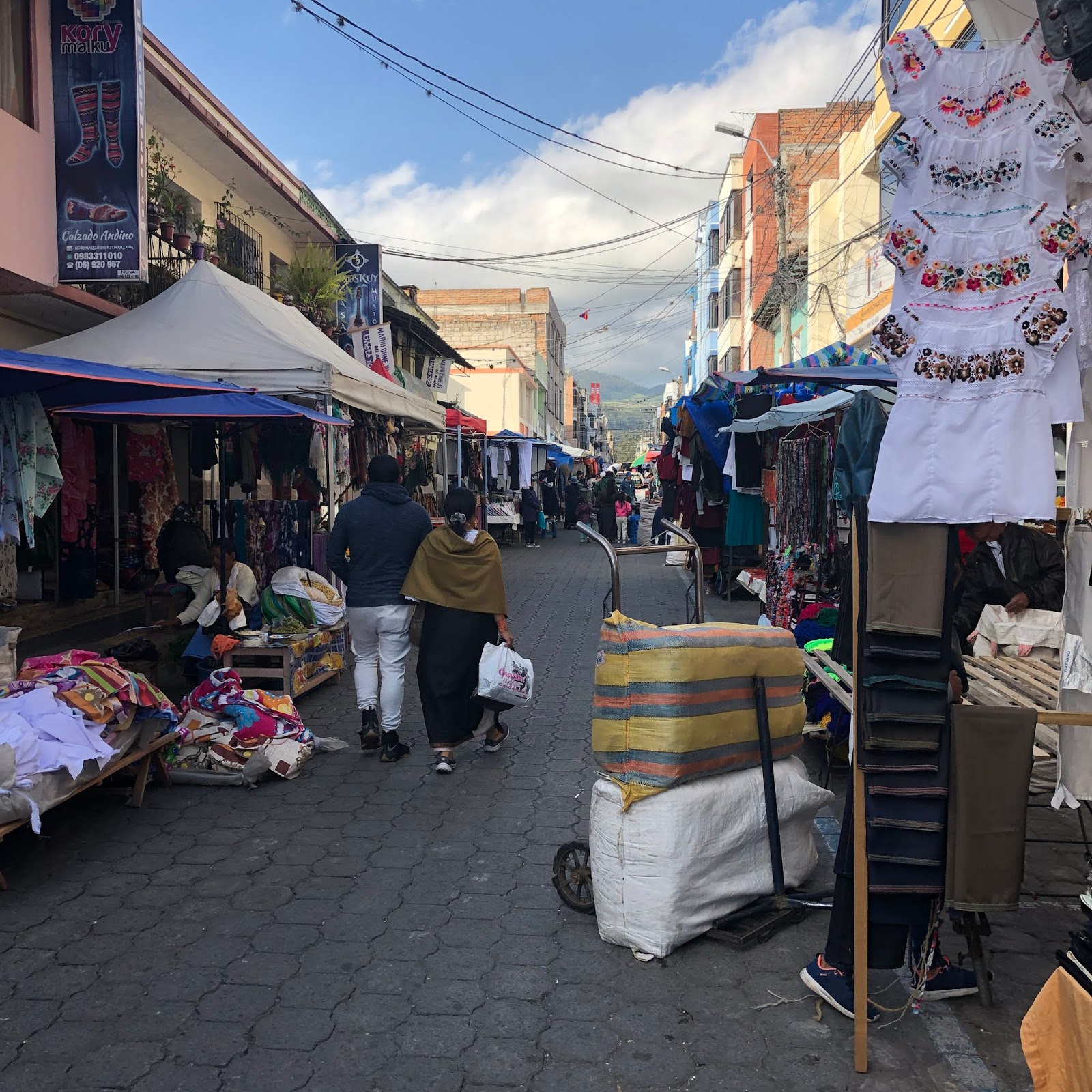
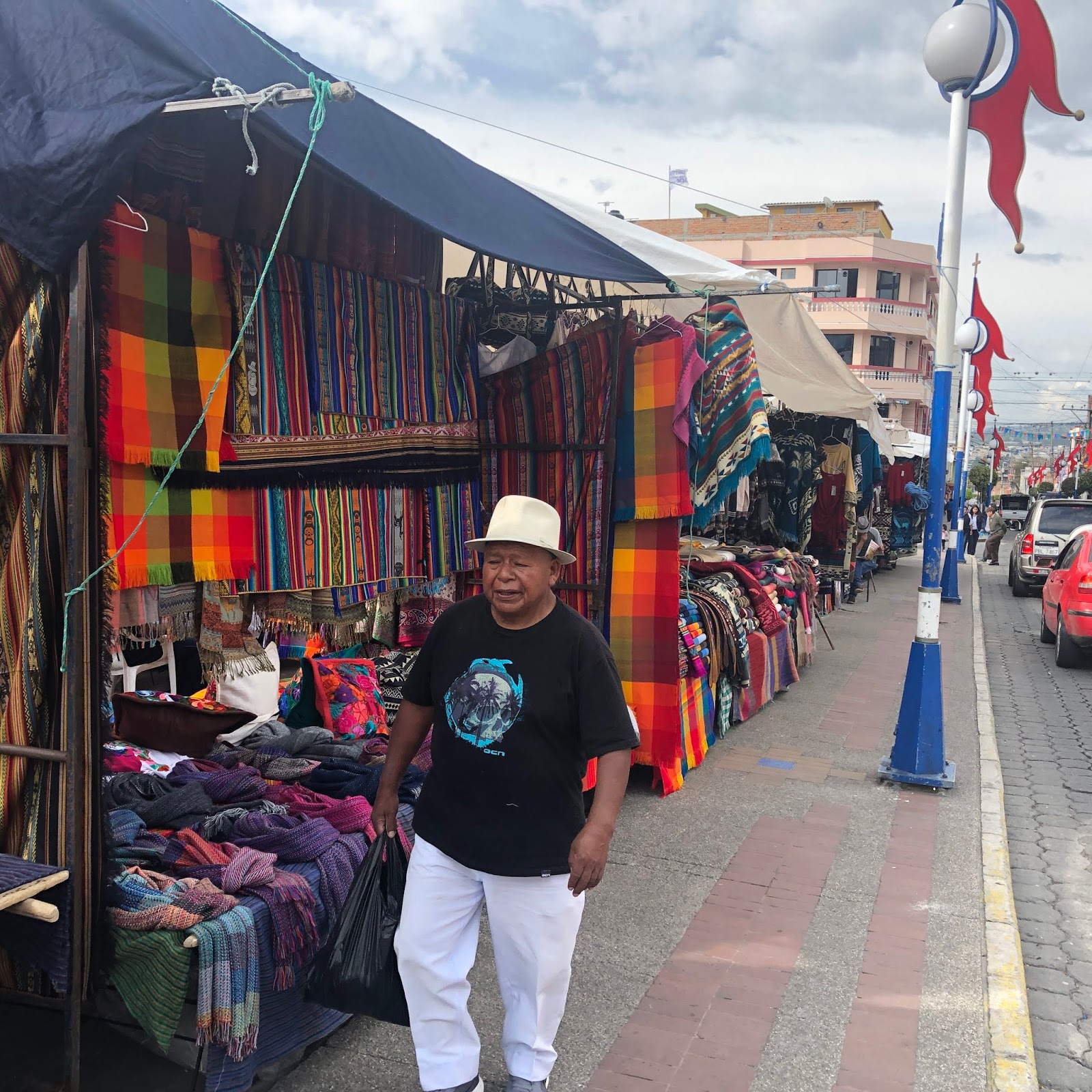
I got out early to see the market because today was tour day! My tour with Ecomontes of the surrounding indigenous villages, the waterfall and two lakes started at 9am and I was really looking forward to a day of speaking English and a getting around in a car.
My guide arrived exactly at 9am and to my surprise the tour was going to be in a taxi and I was the only guest. So off we went – the guide, Henry, the driver, Luis, and me. First stop – the village of San Pablo del Lago.
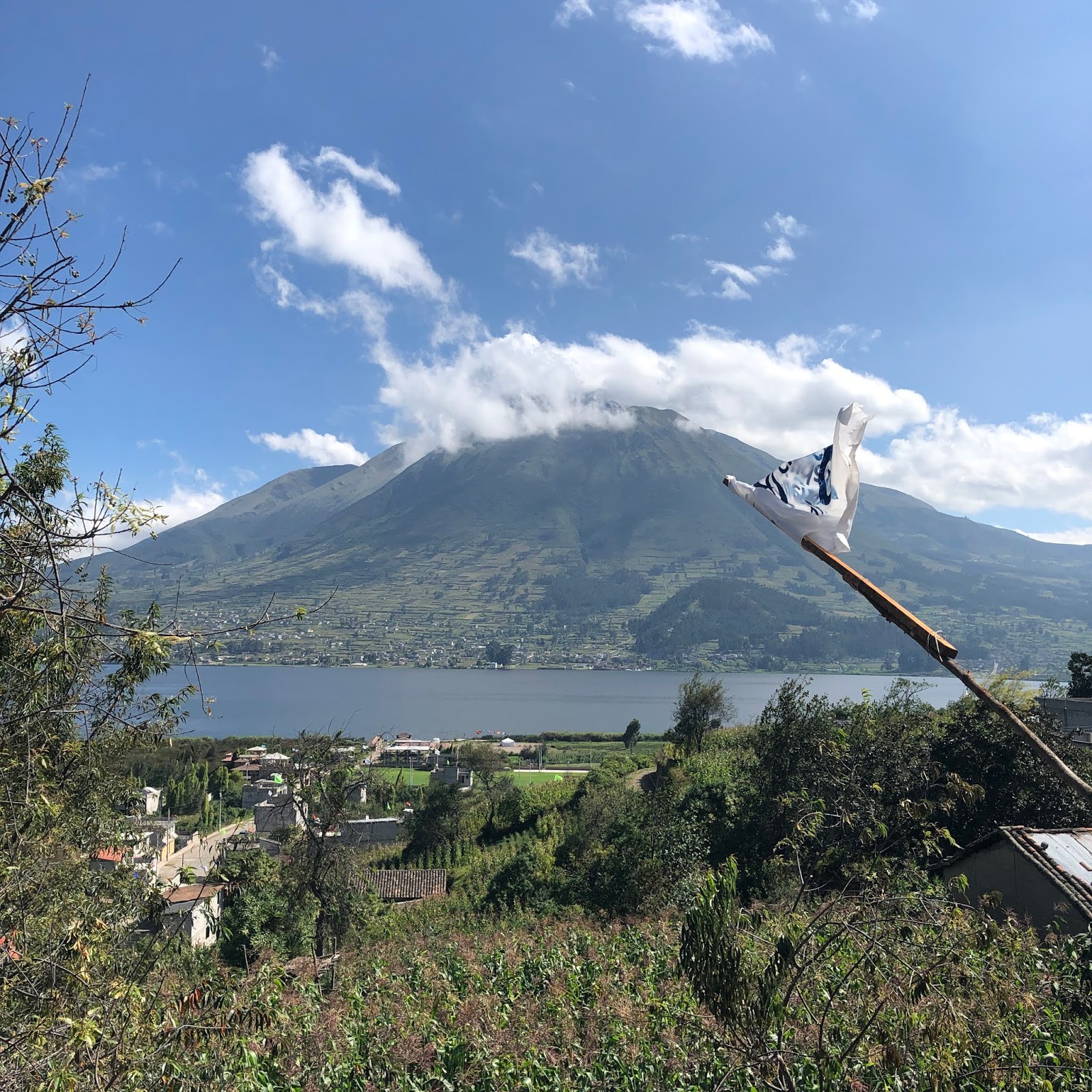
San Pablo Lake is surrounded by three volcanoes – Imbabura (15,000 ft!), Cotacachi and Mojanda. (It reminded me of Lake Atitlan in Guatemala, also surrounded by three volcanoes and indigenous villages). It is a huge draw for locals and folks from Quito as well. Since no one has a ski boat I can’t exactly say it’s like our Lake Travis, but probably as close as you can get in Ecuador.


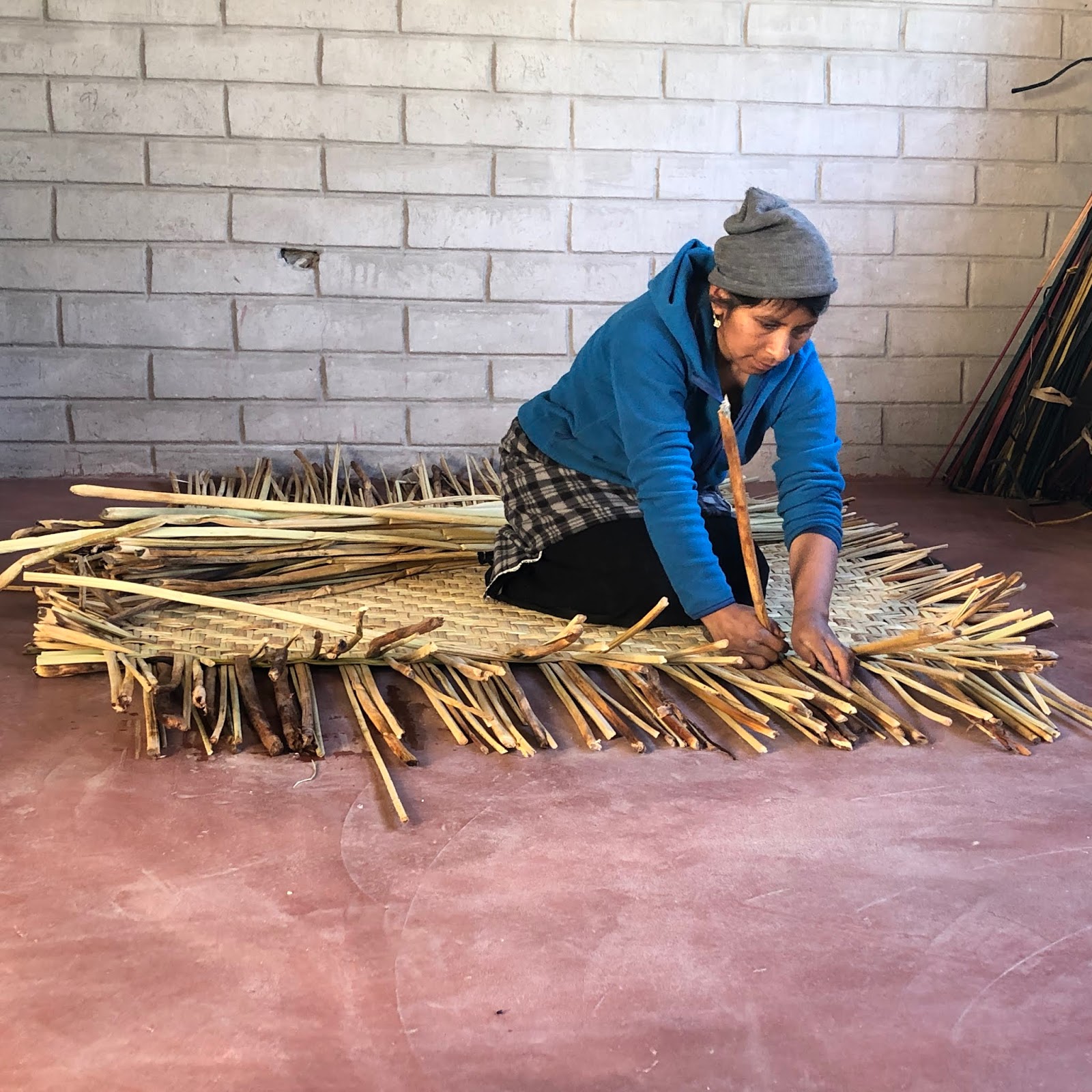 While in San Pablo village we had our first stop at a local artisans home to see how traditional floor coverings (estera) are made. The estera are made from grasses surrounding the lake. Each family harvests from the grasses around the lake and the village has an association that manages the grasses to make sure everyone has
 access and the grasses don’t get over harvested. The estera take about two hours to make and are sold for about $5. They are common in most homes and extremely durable. The estera are made entirely by hand with the assistance of a lava rock to pound the grasses flat. It was a beautiful process to watch and I even got to try! Next stop – the Peguche waterfall.

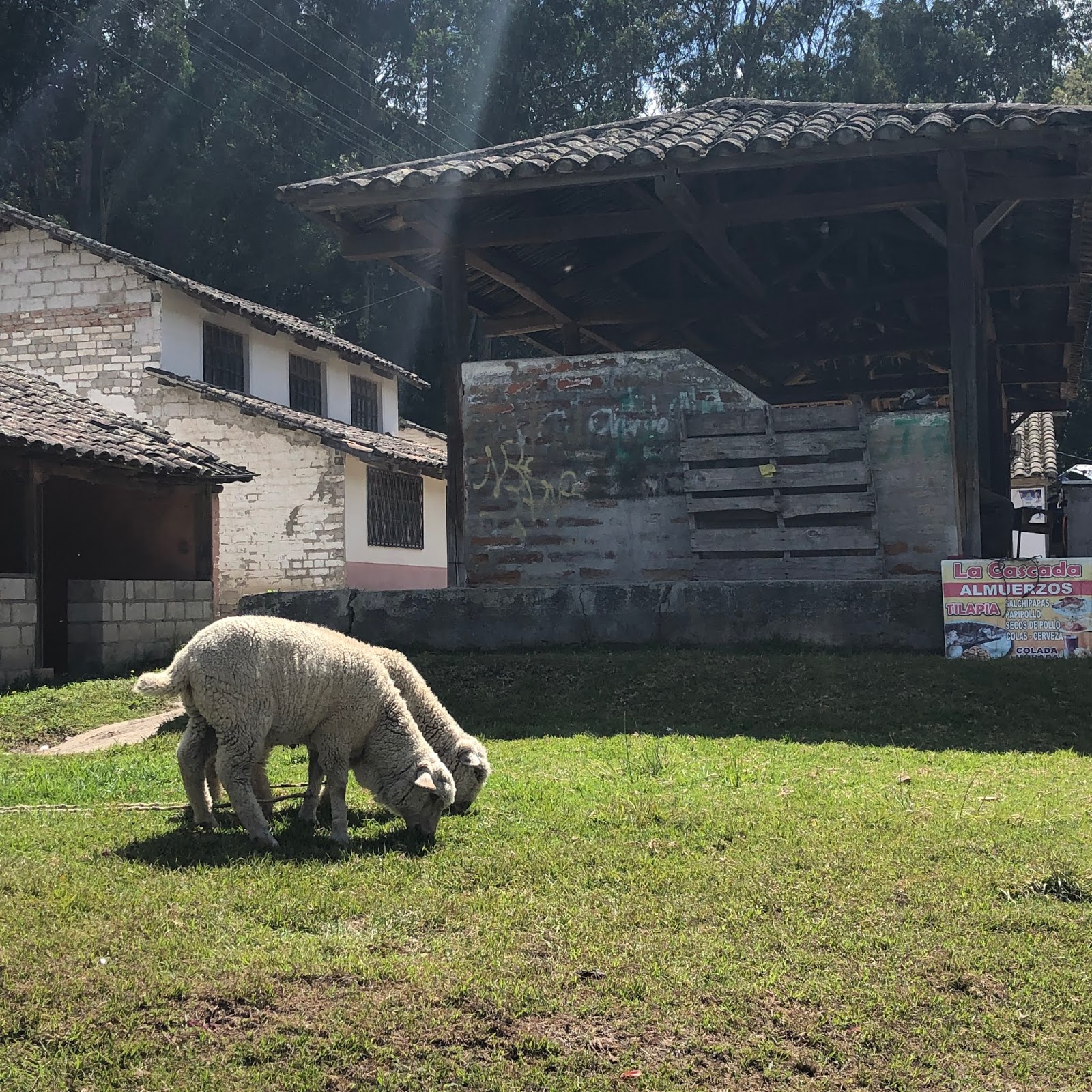
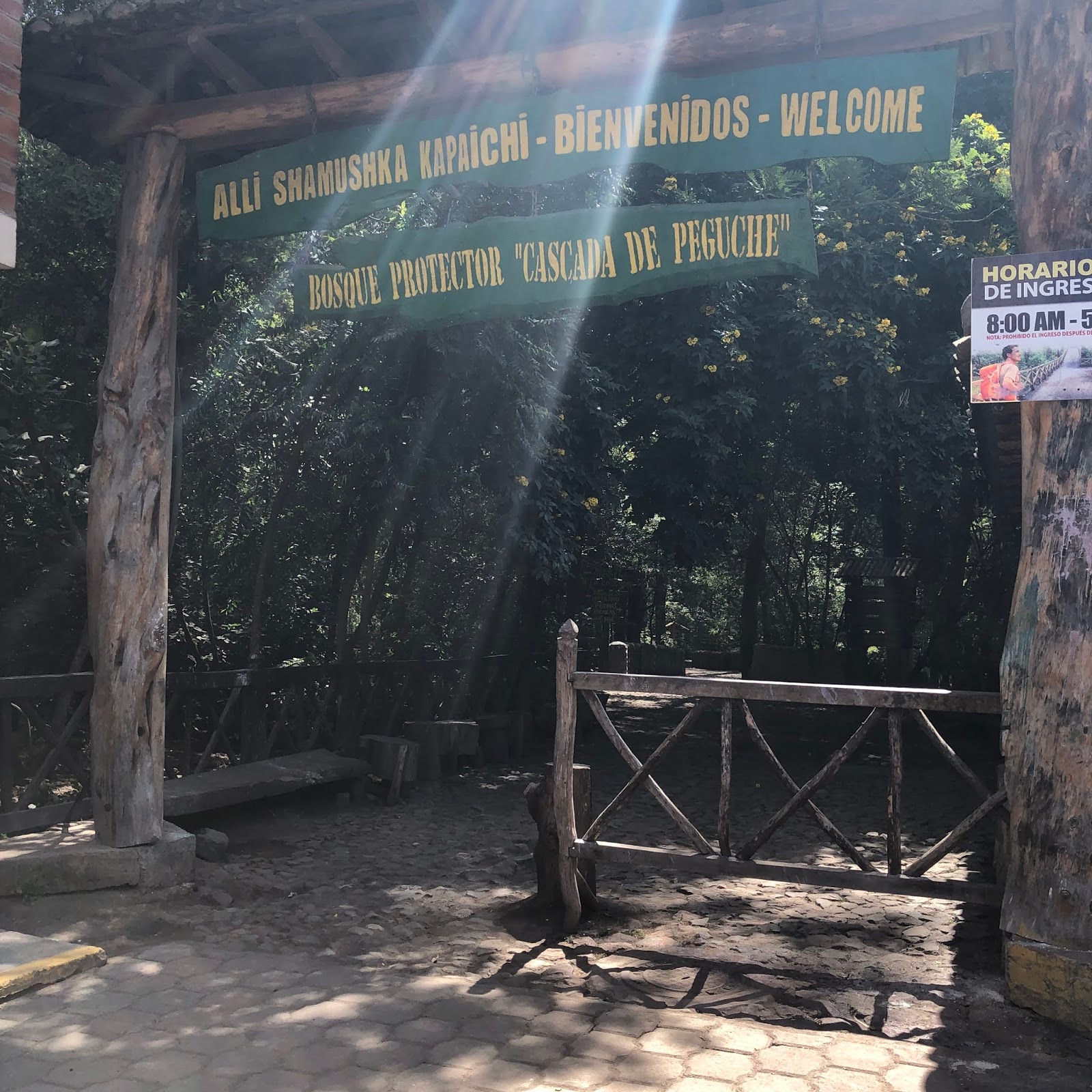
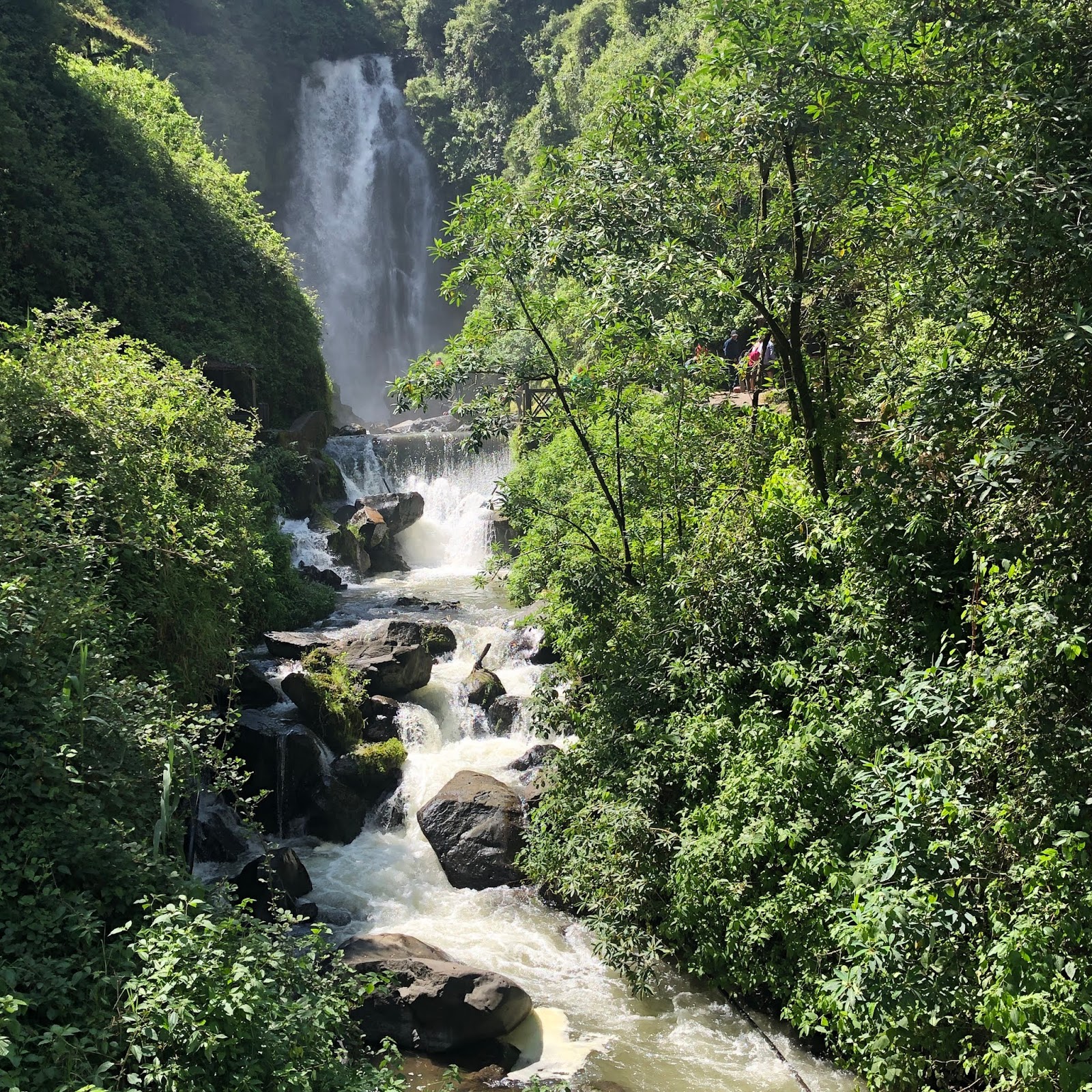
The Peguche waterfall (cascade) is a favorite of locals and tourists alike. I wasn’t sure what to expect but it looked nice in the pictures. Arriving you are greeted by a beautiful mural respecting the relationship between the waterfall and man. Passing through a cute stone arch on the way to the entrance, there were some sheep grazing (no idea why they were there but they seemed happy) and then around the corner to enter the bosque (forest).

The waterfall is in a protected area and it was as lovely as any park I’ve visited. Entry fee. – $.50.
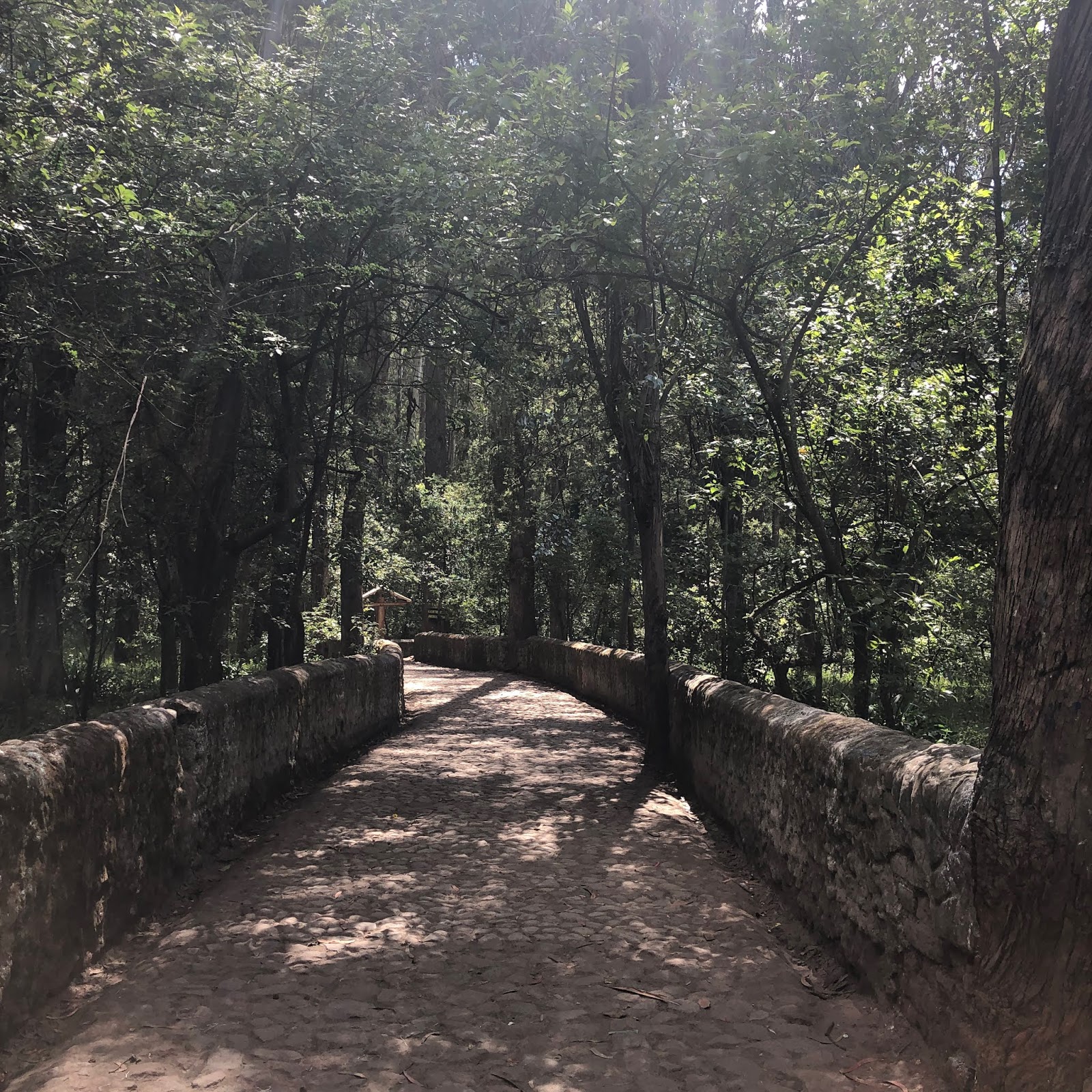
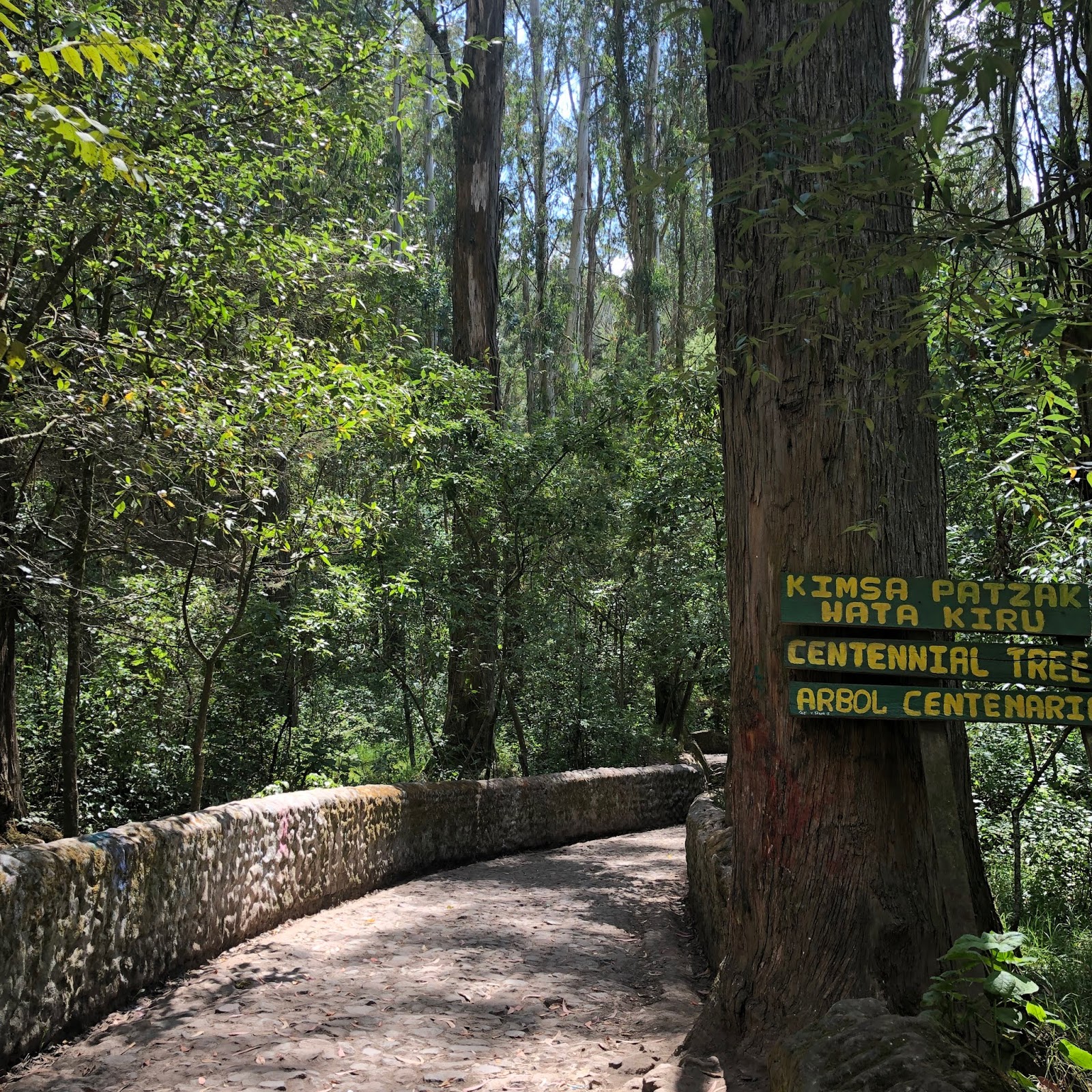
Henry educated me on the story of the Eucalyptus tree and how it got to Ecuador. (They’re everywhere especially around Cotacachi). Apparently it was brought back by the Ecuadorian president in the 1860’s from Australia (sadly no koalas with it). I guess it’s not invasive if the president introduces it.

Then onto the waterfall. It really was gorgeous and there were just a handful of people there when we were. Henry said it was packed during Carnaval though. The mist from it was cold but I still wished I could jump in for a minute. During the summer solstice it is tradition to bathe in the waterfall at midnight.


Other fun sights in the park were a hippie hostel (per Henry) and horses.
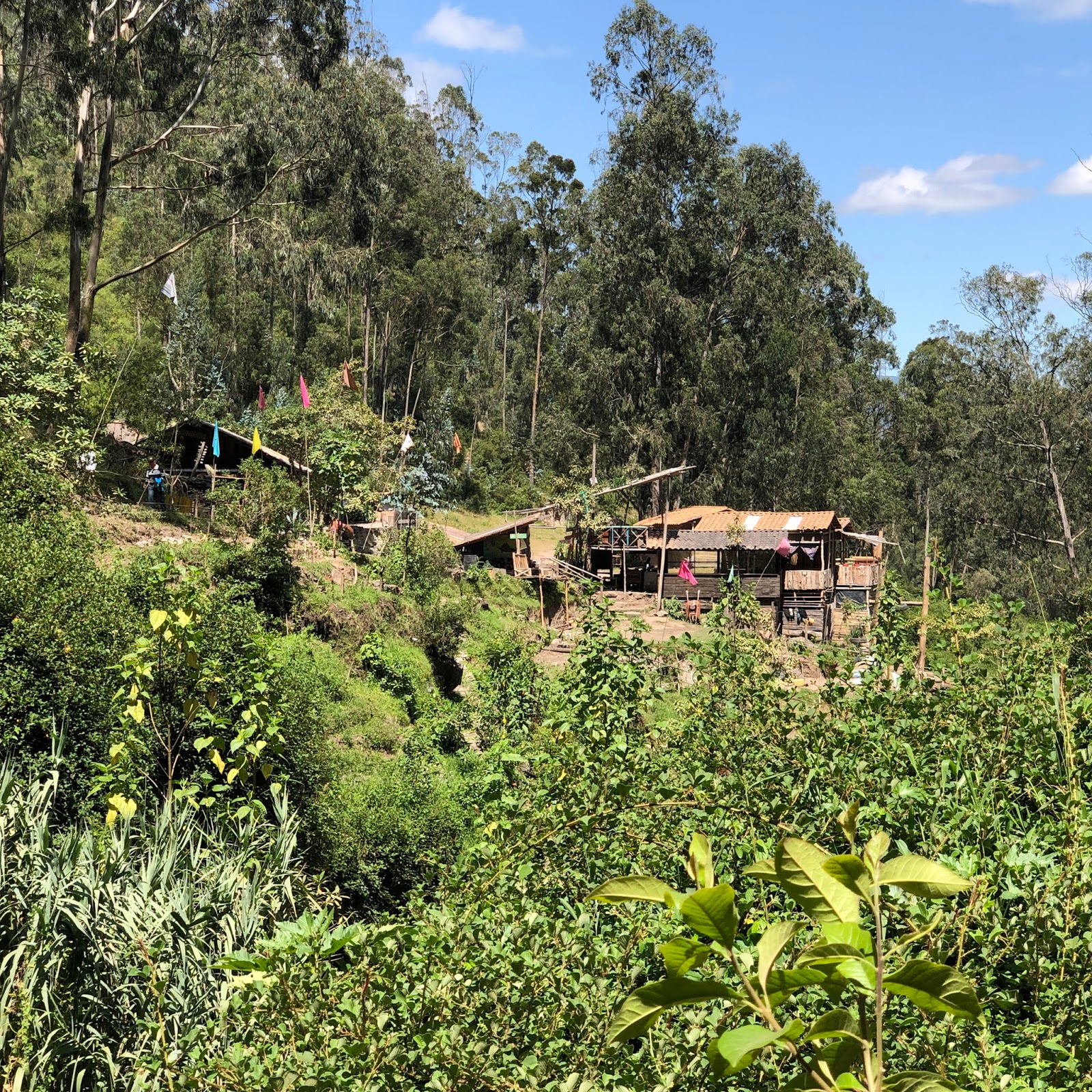

The next stop was Pequche (remember the Shaman). Here the village is known for its fine handcrafted wool goods. We stopped at the El Gran Condor in the center of town for a traditional weaving demonstration. From taking the wool from the sheep to explaining how they use natural materials for dyes (plants, bugs, herbs) it was beautiful. The process is so close to the earth and you can feel the difference from machine produced wool.
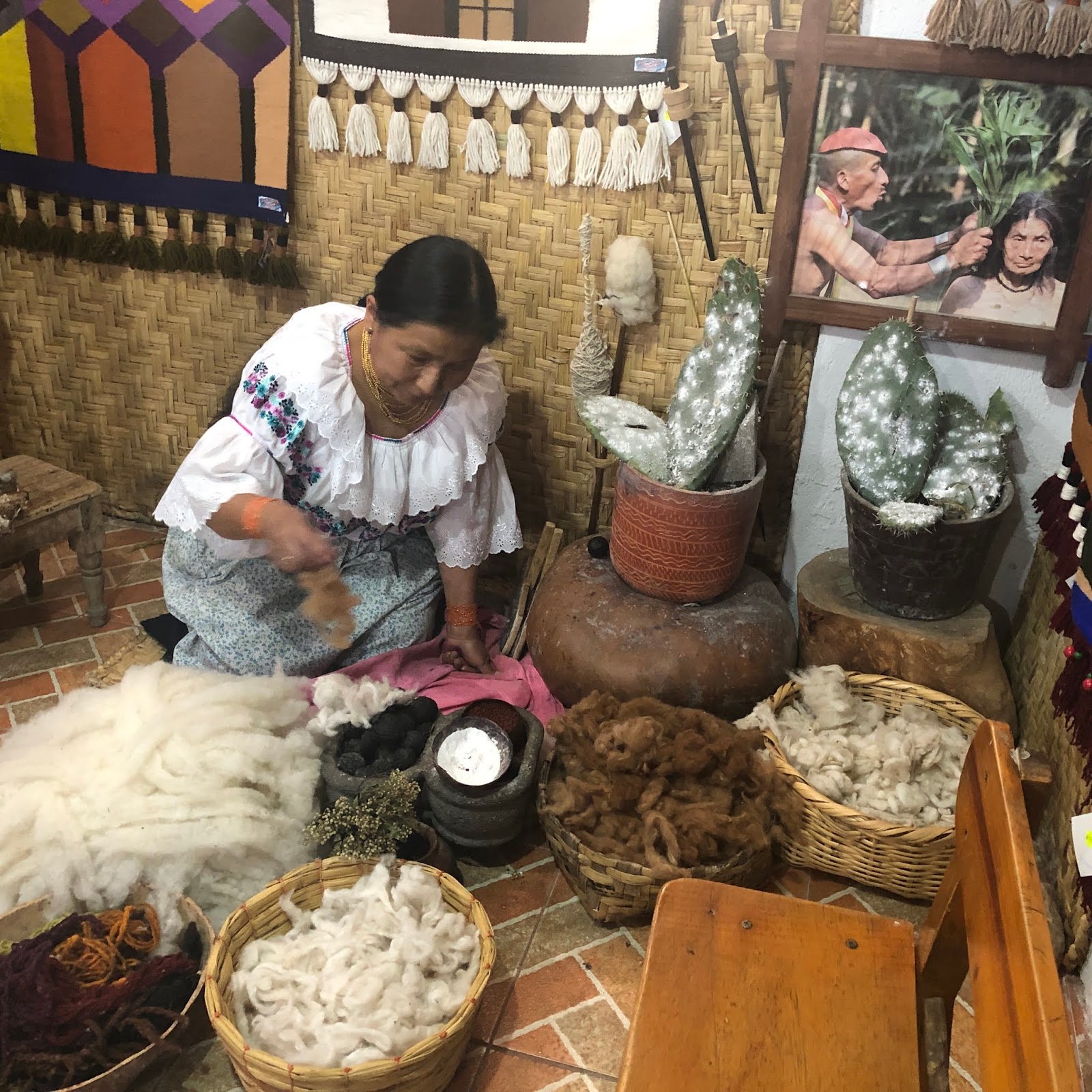
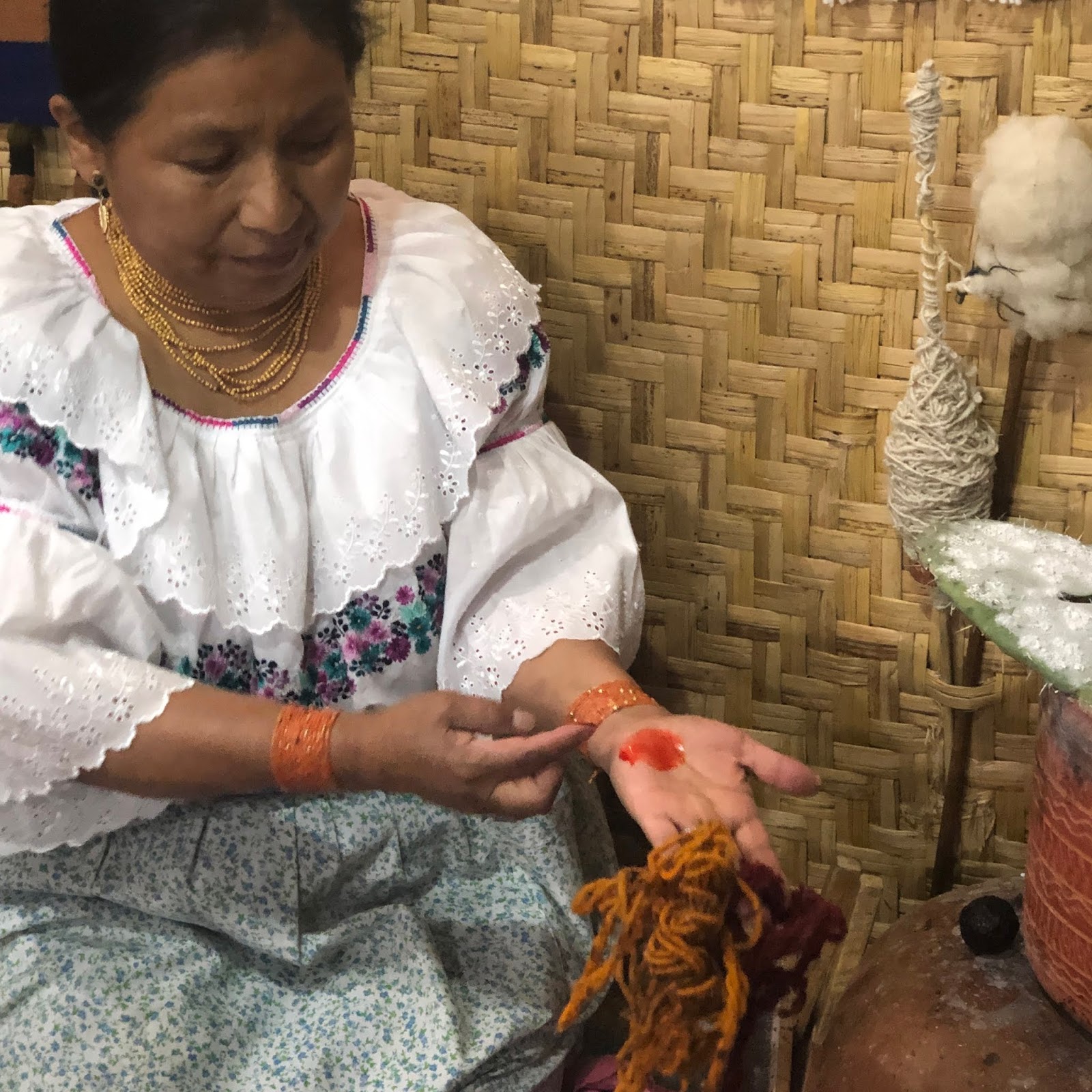
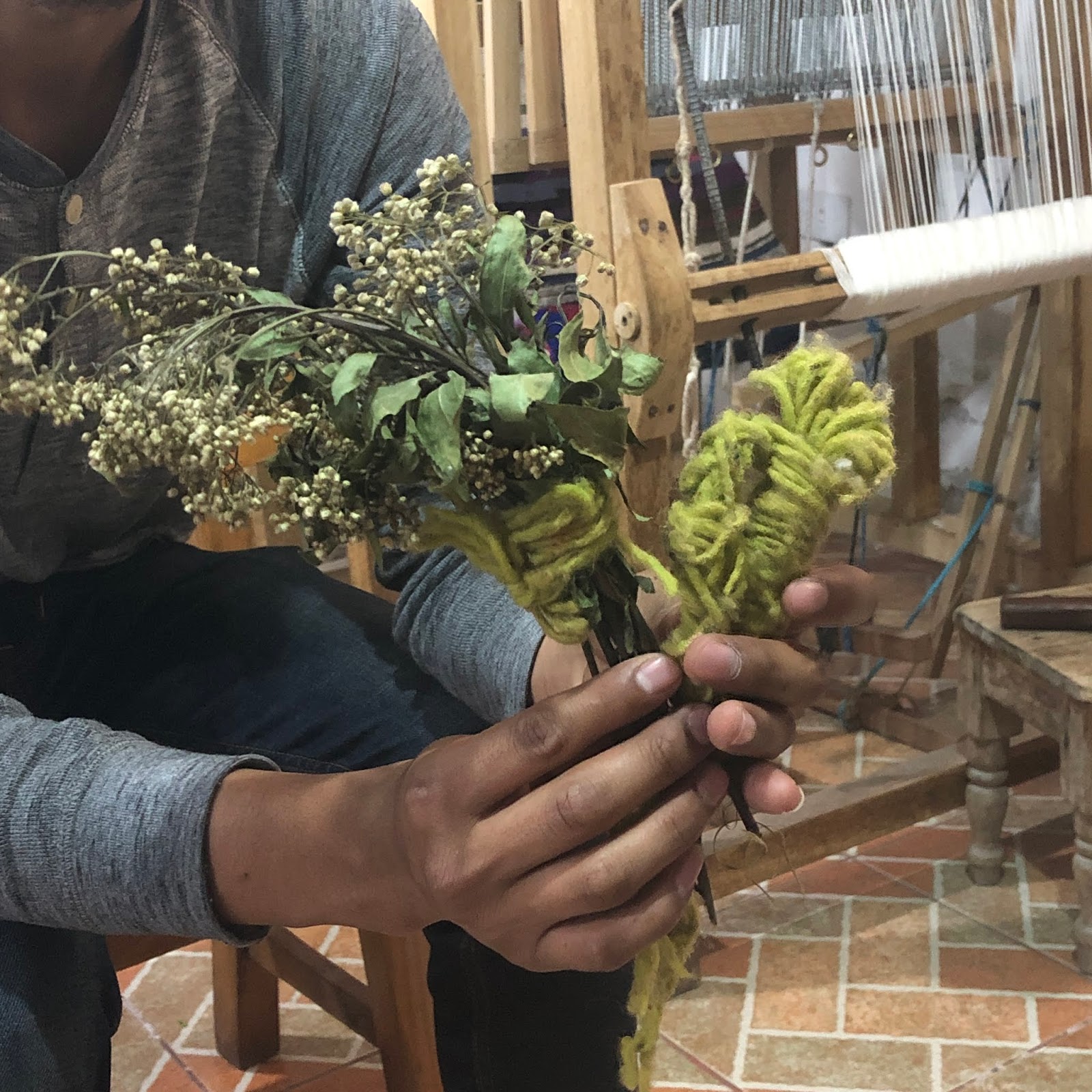
I found the weaving machines fascinating. While intricate, they are still something that anyone can make in their home given some wood and rope. The accessibility of the weaving machines for everyone to have, and for them to easily return to the earth (not in a trash dump) when finished was inspiring. A large rug takes about five days to complete.


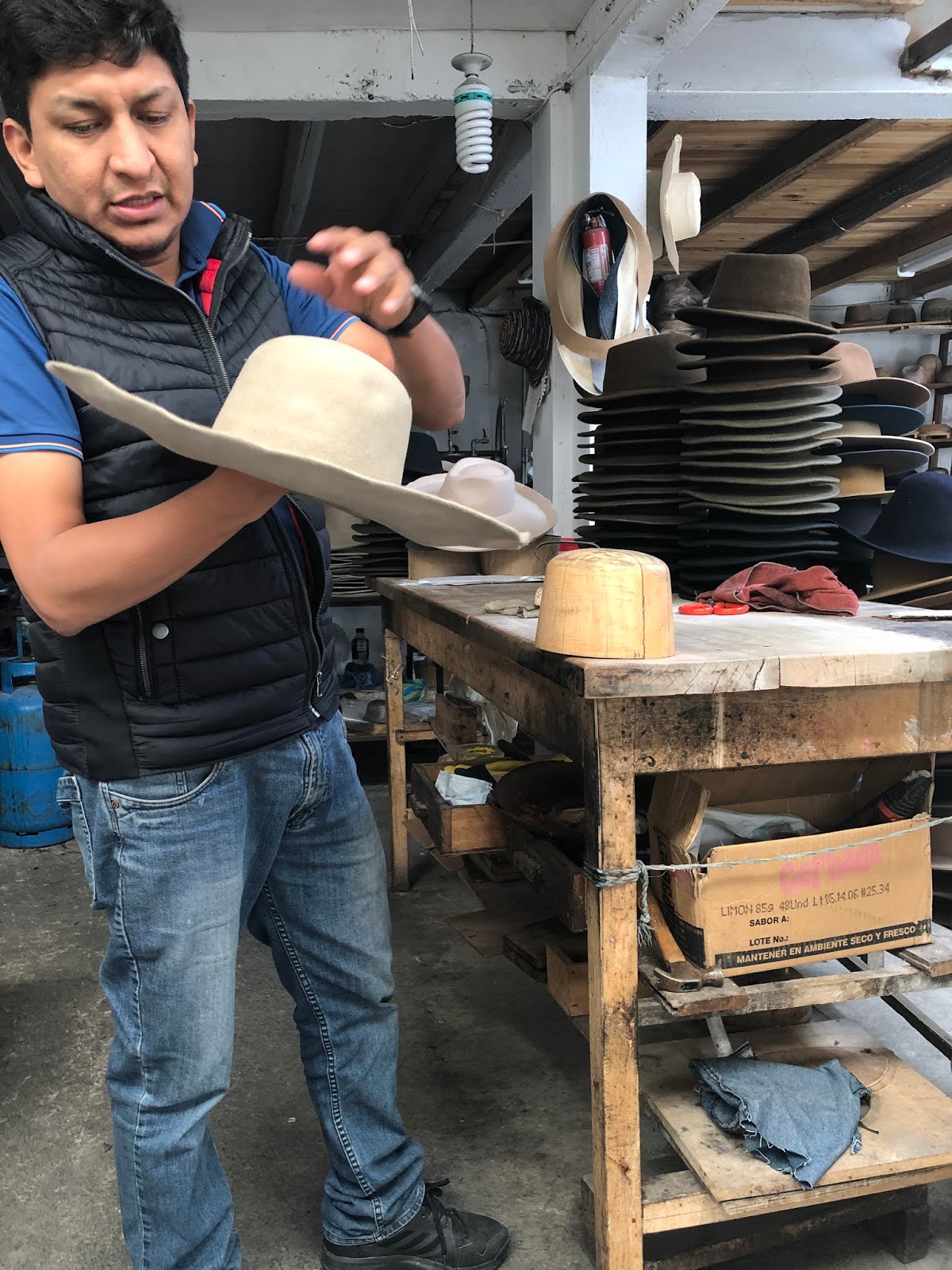
The education continues in Iluman. Iluman is famous for its Shamans – and also for its hats. Henry lives in Iluman so we were able to make an impromptu stop by the Sombreros Shaman store for a demonstration on how handmade hats are created. So cool how they use wood molds, antique irons and hand cut everything. Beautiful work and so affordable. A finished leather hat costs $25.


After Iluman we took a detour because Henry and Luis found out there was a festival in Cotacachi today and they thought I would like it. The festival was at one of the local universities in Cotacachi – the Instituto Superior Tecnologico – Cotacachi. I was surprised how new it was. Definitely rivals our nicest community colleges at home, though I get the impression the university is more like advanced high school/trade school. This university specialized in tourism, fashion, gastronomy and music.

The festival celebrates the Spring corn harvest and everyone was having a blast – just like an old school school fair (remember cake walks for a quarter?). There were games for kids:


(a crafty diy trampoline)
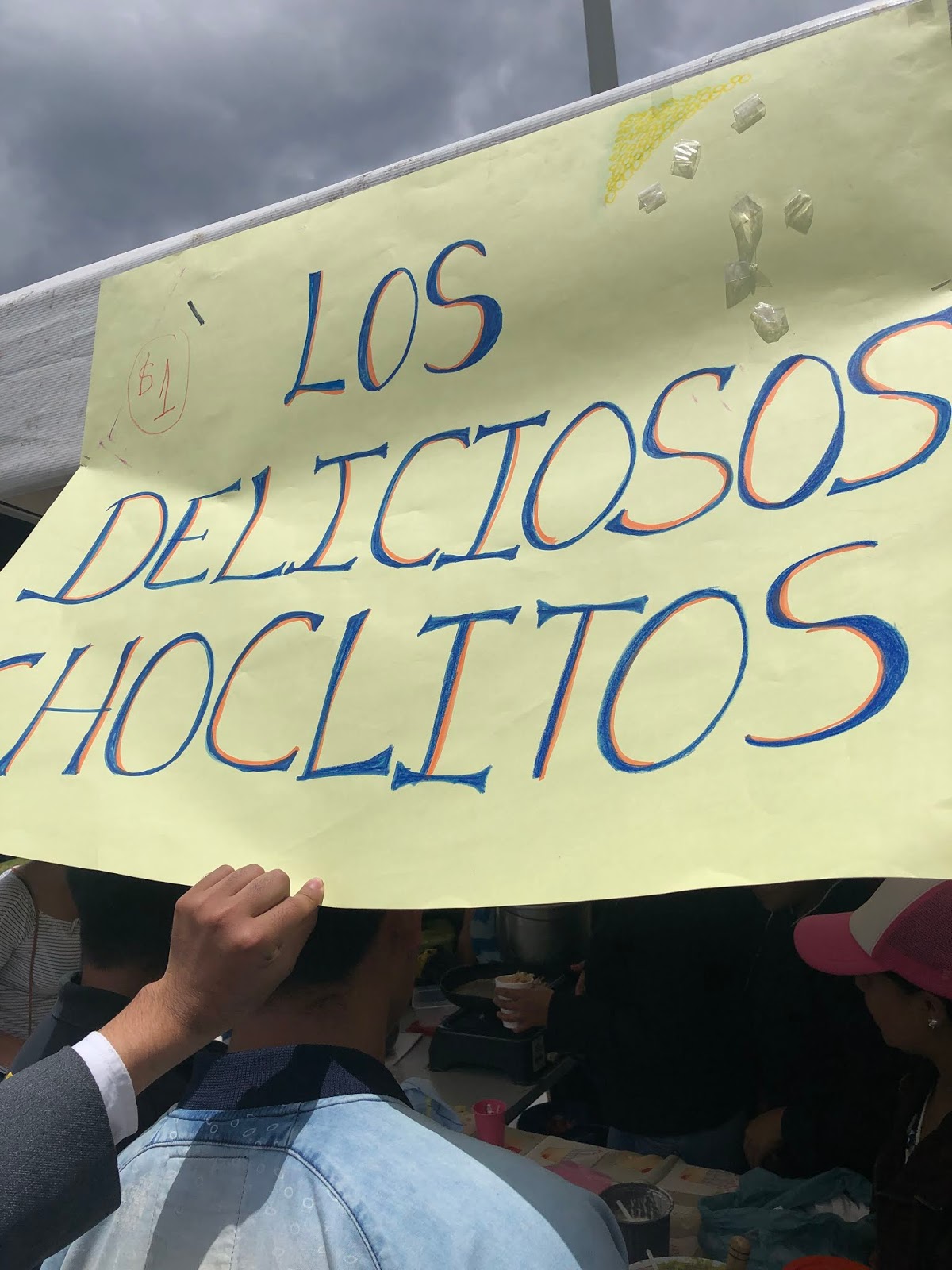
Awesome food – I got to try the famous choclitos (papas, guacamole, corn and white queso) – SO yum!


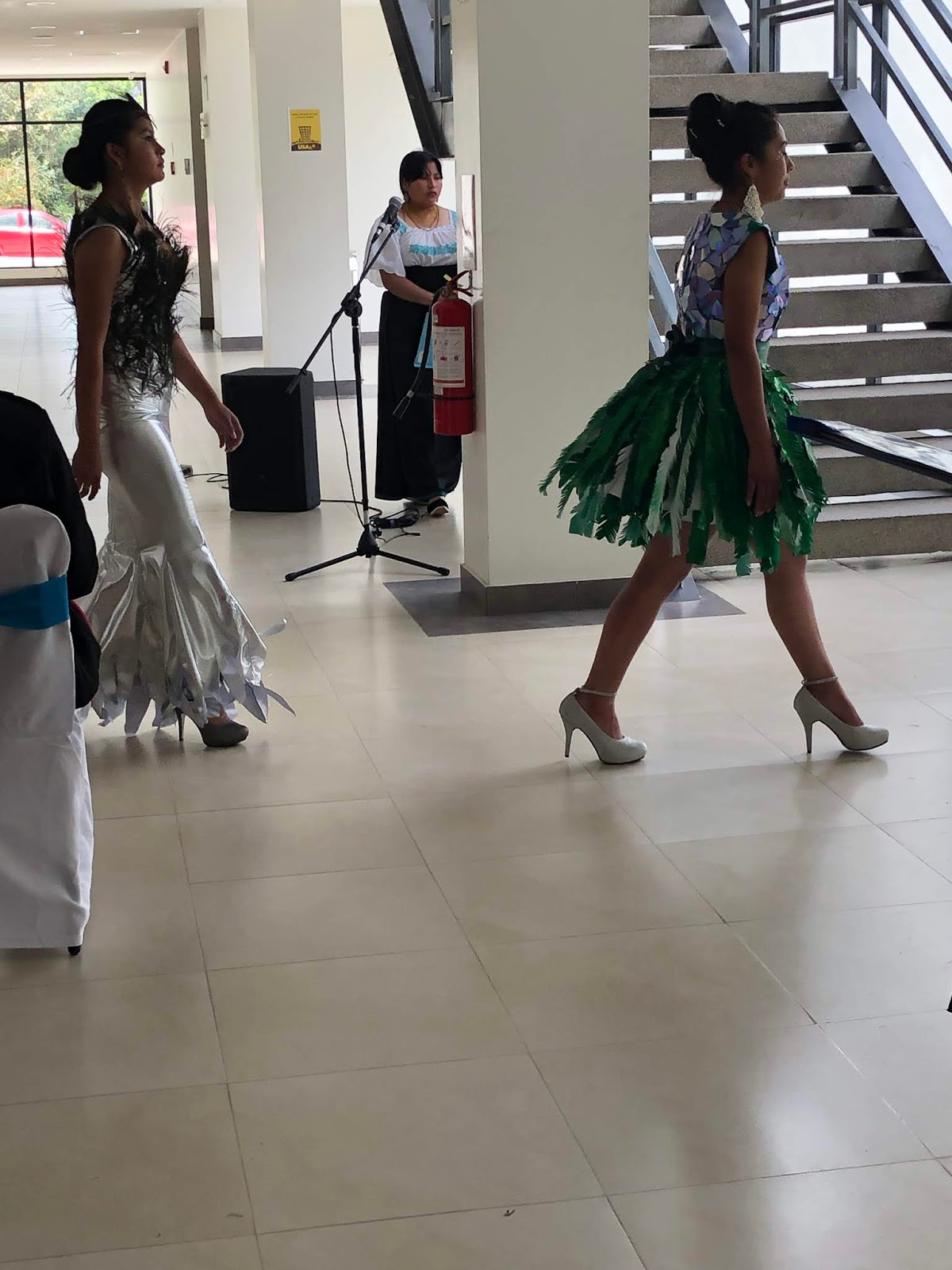
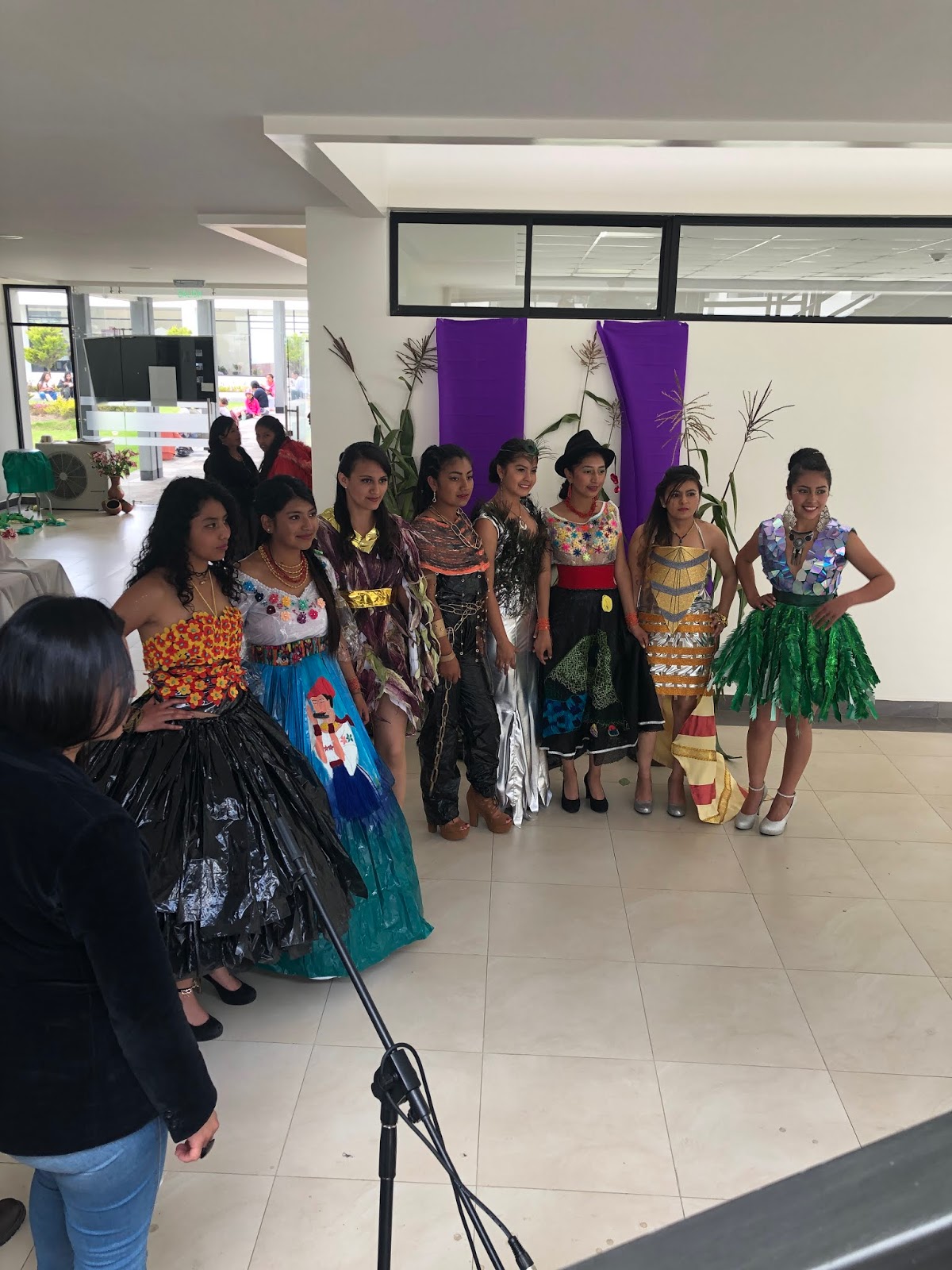
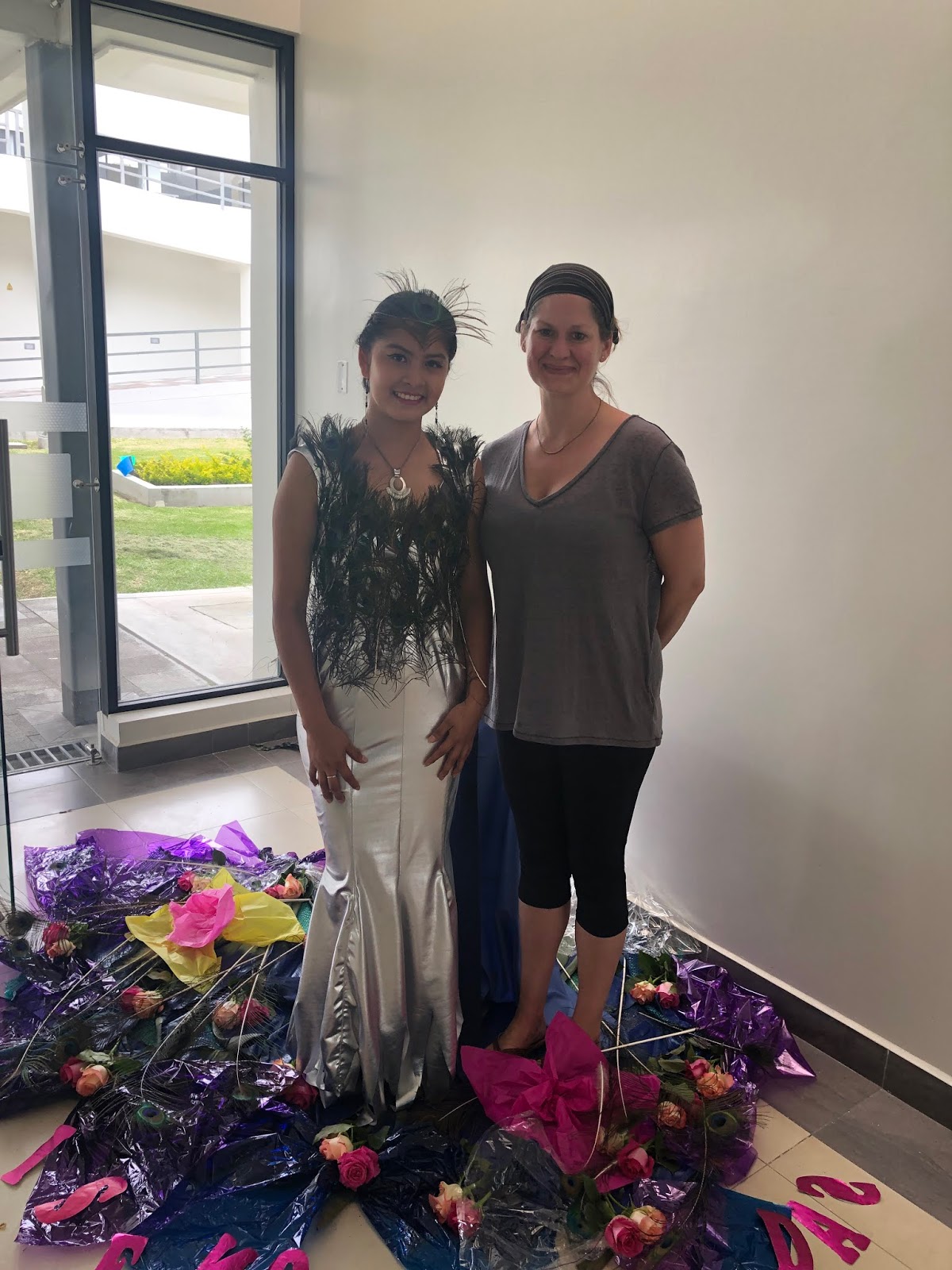
And a fashion show. The dresses were so creative. We loved the one that was made out of local dyed corn husks but there are also skirts from recycled plastic and a modern take on the traditional indigenous dress.

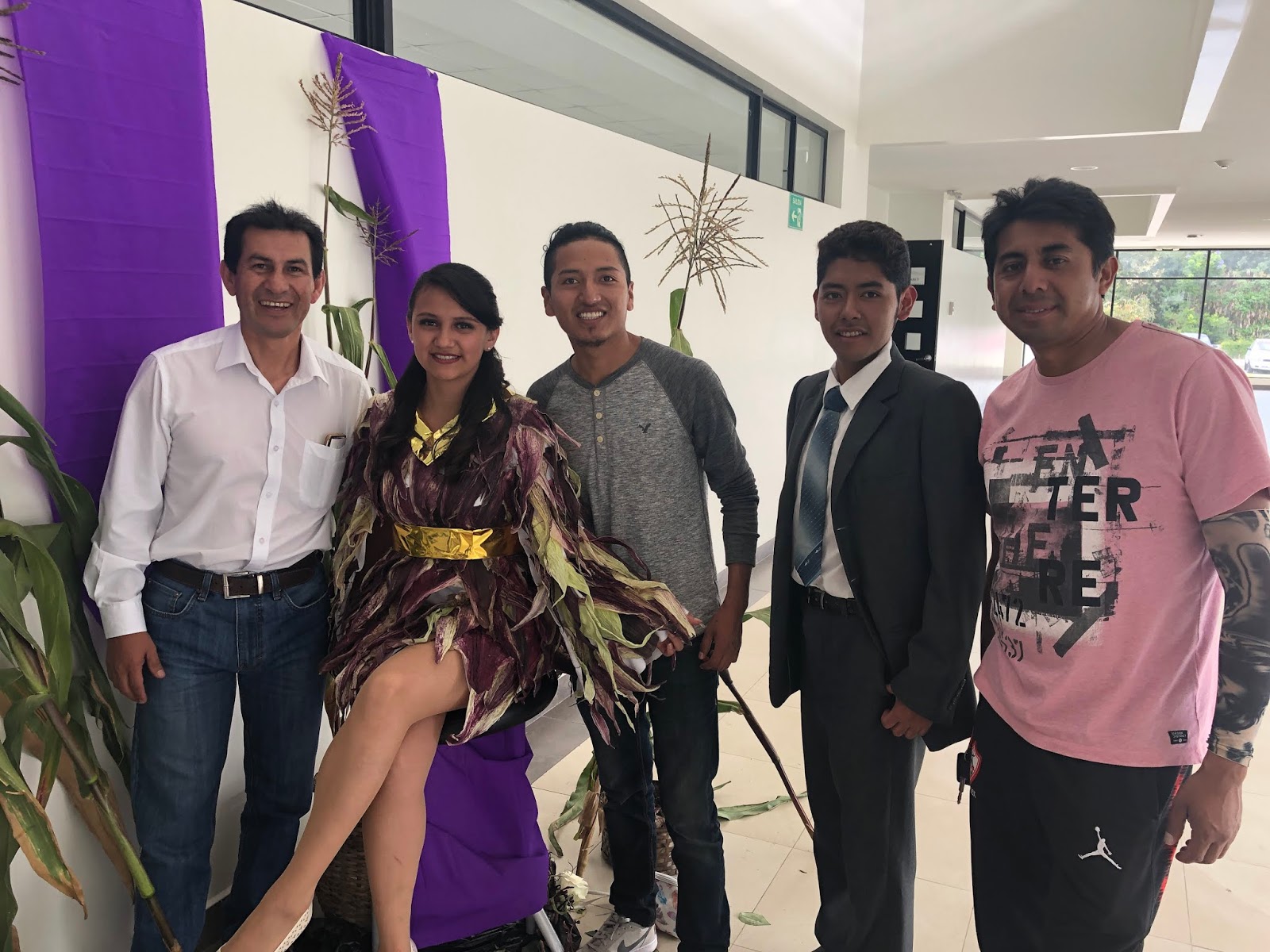
We had a surprise when we got to the festival. The owner of Ecomontes was there along with one of his interns (studying tourism) so the intern took over the tour for a while and practiced his skills. (In pic below L to R: the owner, Henry my tour guide, the intern (in his very professional suit) and Luis our driver). I got a 4 for 1 deal!
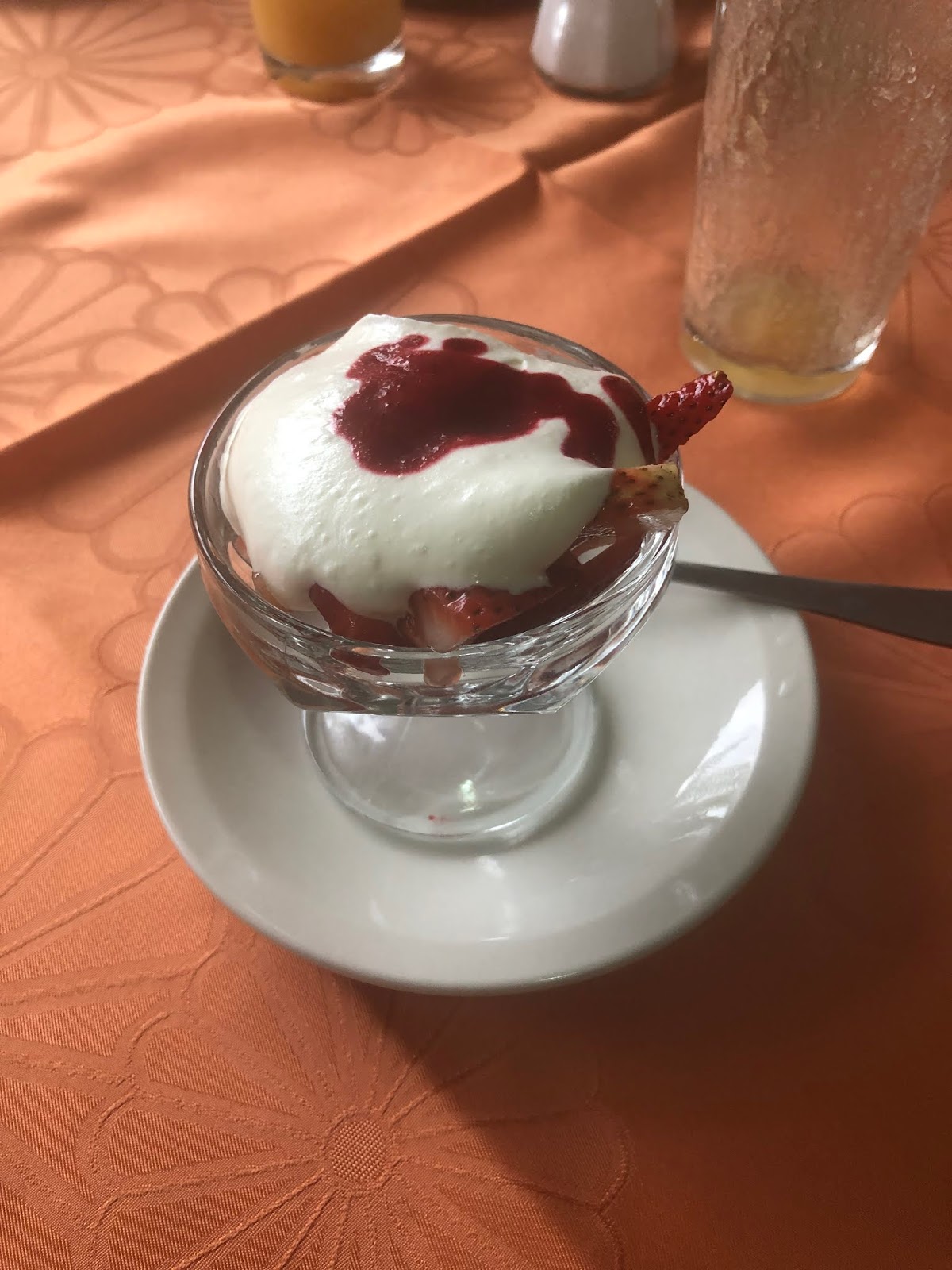
While I really didn’t need anymore food after the festival our next stop on the tour was a traditional almuerzo in downtown Cotacachi. Almuerzo is lunch, but it means the lunch/plate of the day and at this restaurant, El Lenador (the lumberjack) it was a three course meal. This was my first almuerzo and I’m not sure I’ll be able to top it. Despite being known for their meats they customized the lunch for my vegetarian needs. On top of the amazing food, the meal was included in the tour! Seriously, I tried to to the math in my head on how Ecomontes made any money on me. For $50 I got a private tour, with a private driver and lunch? Crazy, but I’ll take it!


The last stop of the tour was Cuicocha Lake and it was the best of all. Absolutely stunning fresh water lake at 10,650 ft elevation in a caldera from the Cuicocha eruption thousands of years ago (there are no fish). There are two islands in the middle of the lake which are protected from visitors but you can take a boat around them. Ecuador does a great job of protecting the area. Boats must be chartered and guides hired. Since my picture had really bad lighting, here’s a pros: Cuicocha Lake

My pic 😦
My fantastic tour ended around three and I came back to start packing. (It takes me about an hour to figure out how to fit everything back in my bag and make it zip so I have to plan ahead). After spending a little time reviewing my budget I dediced dinner was going to be street food – and I knew exactly where. Once the huge Plaza de Ponchos good market closes (around 6) the food vendors move in a take over. Each booth has a different food, dish or plate to offer. Most are meat based but there are some vegetarian options. I ended up with a cheese empanada and a corn with cheese for $2.25. Best meal in Otavalo yet.

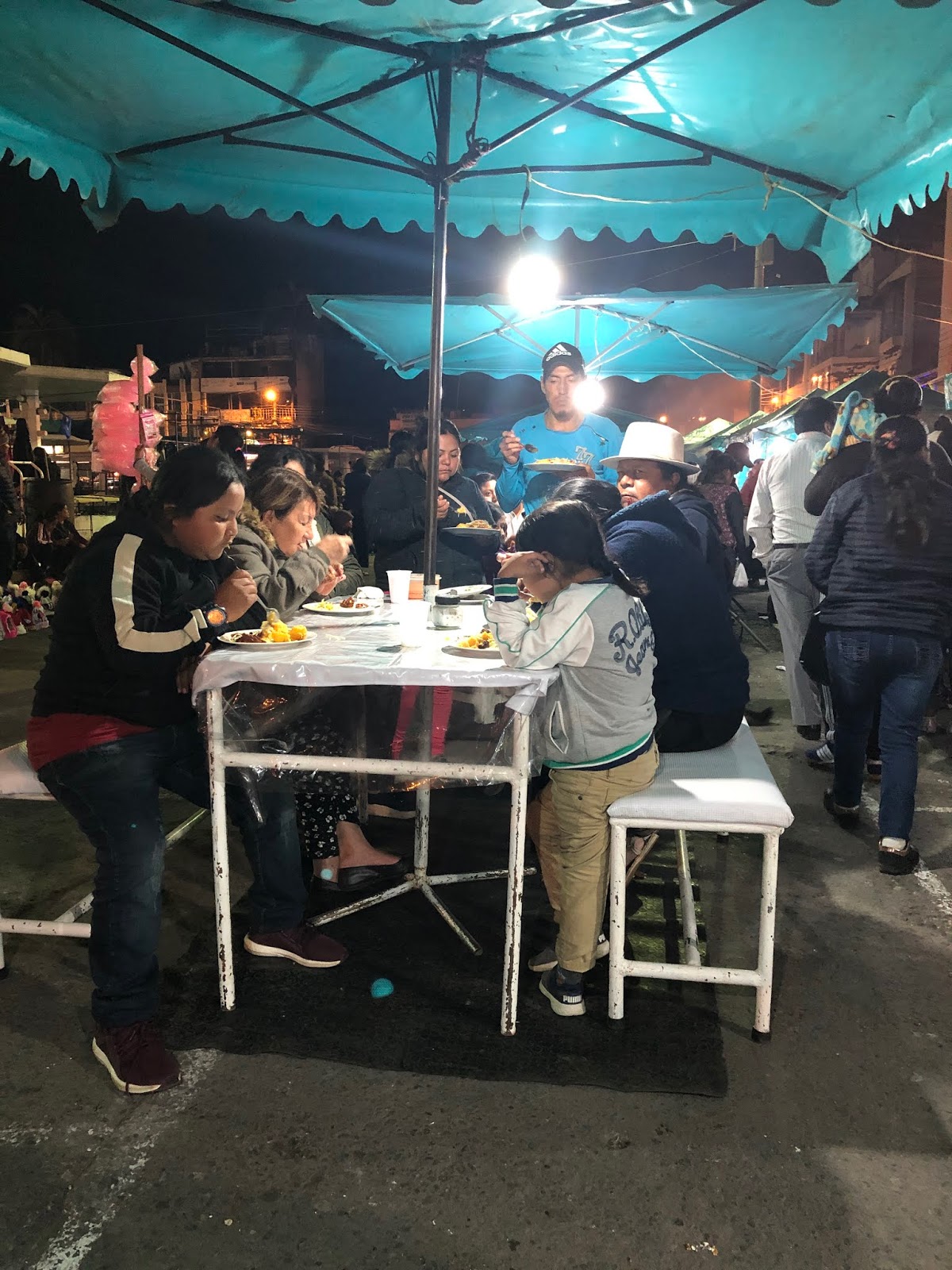
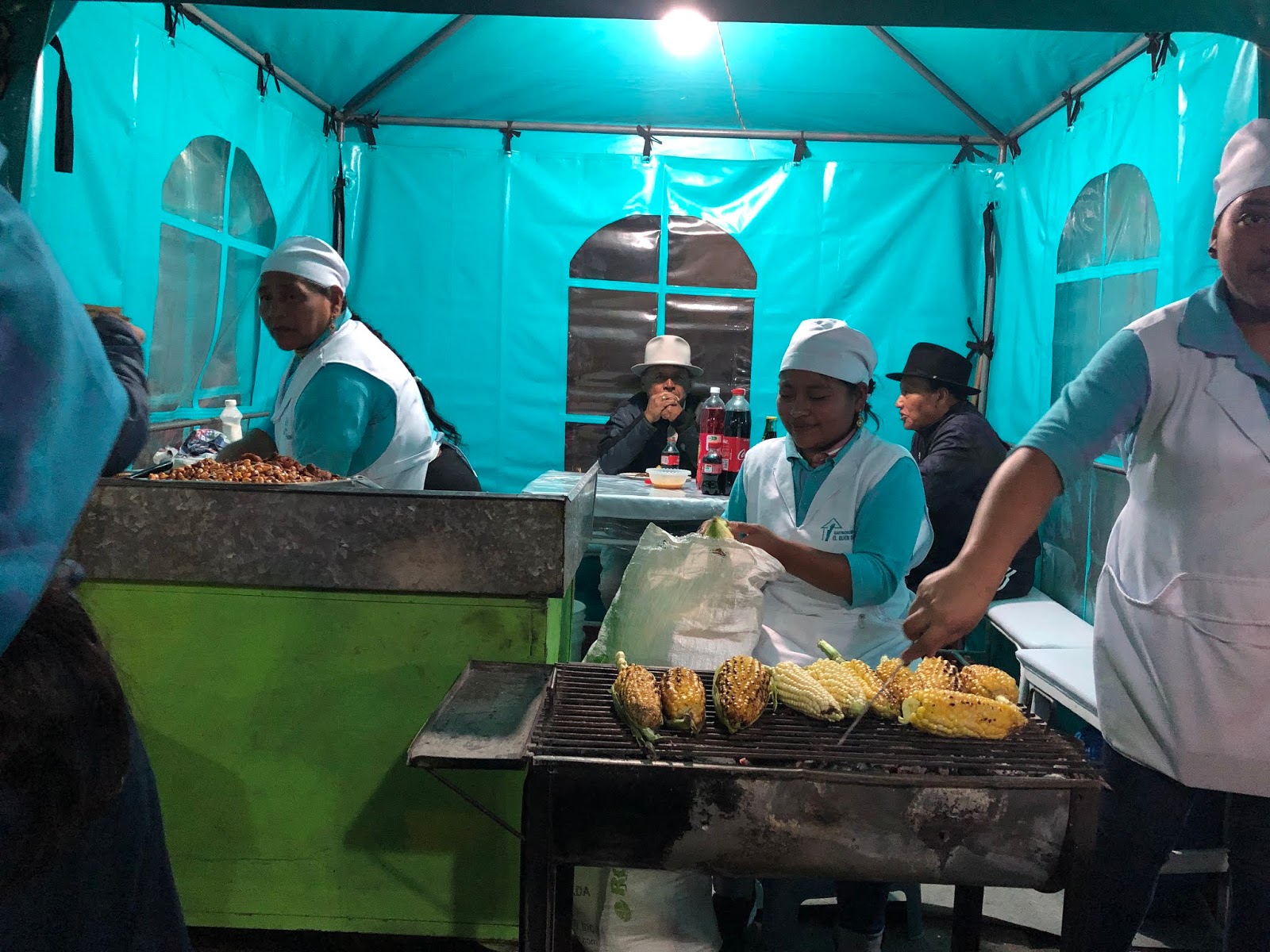

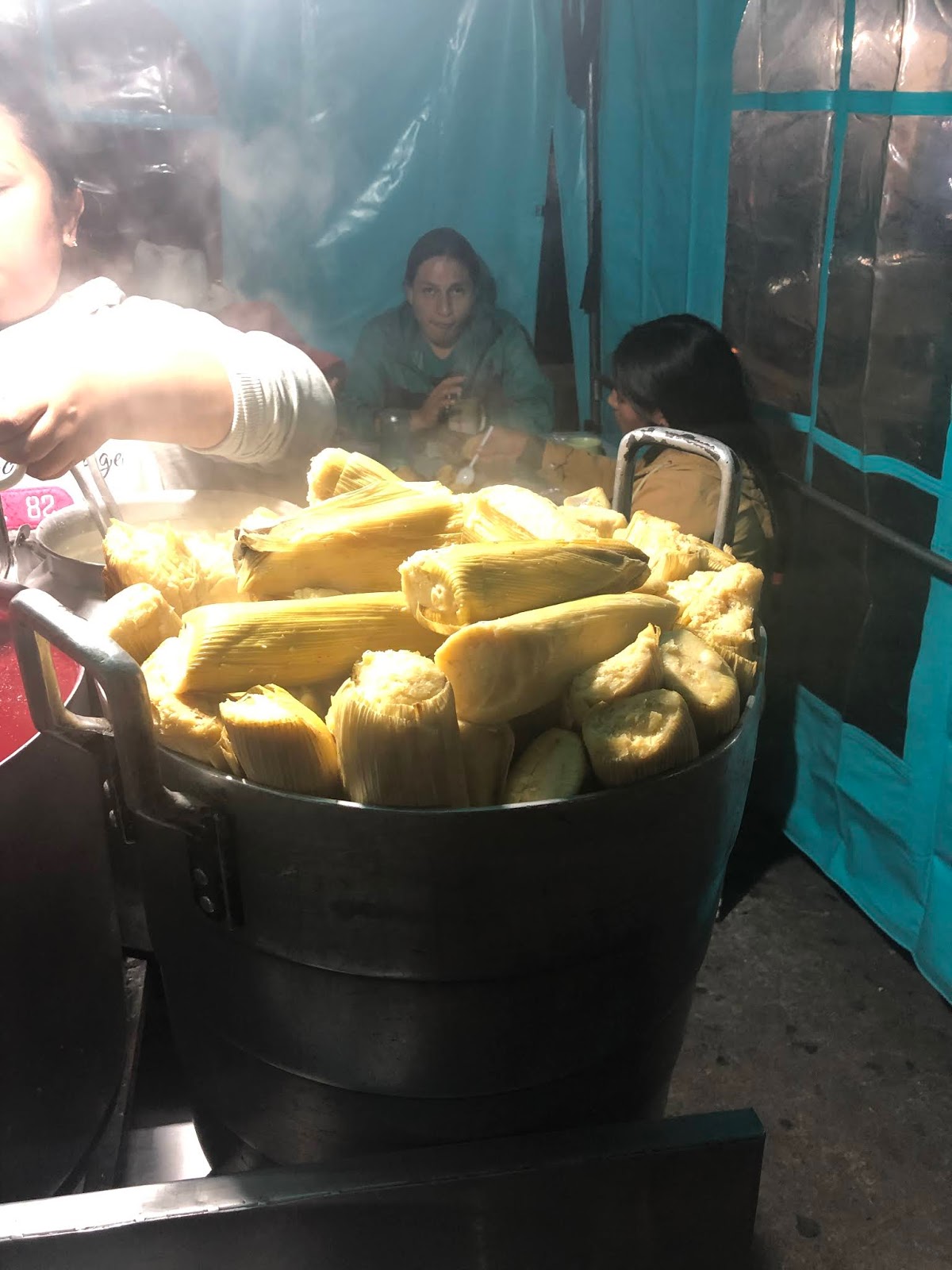
And with that my visit to Otavalo was complete. On the way back to the hotel I took this pic of the main church tower illuminated. Gorgeous end to a fantastic day, week and stay. My next stop – Galapagos!

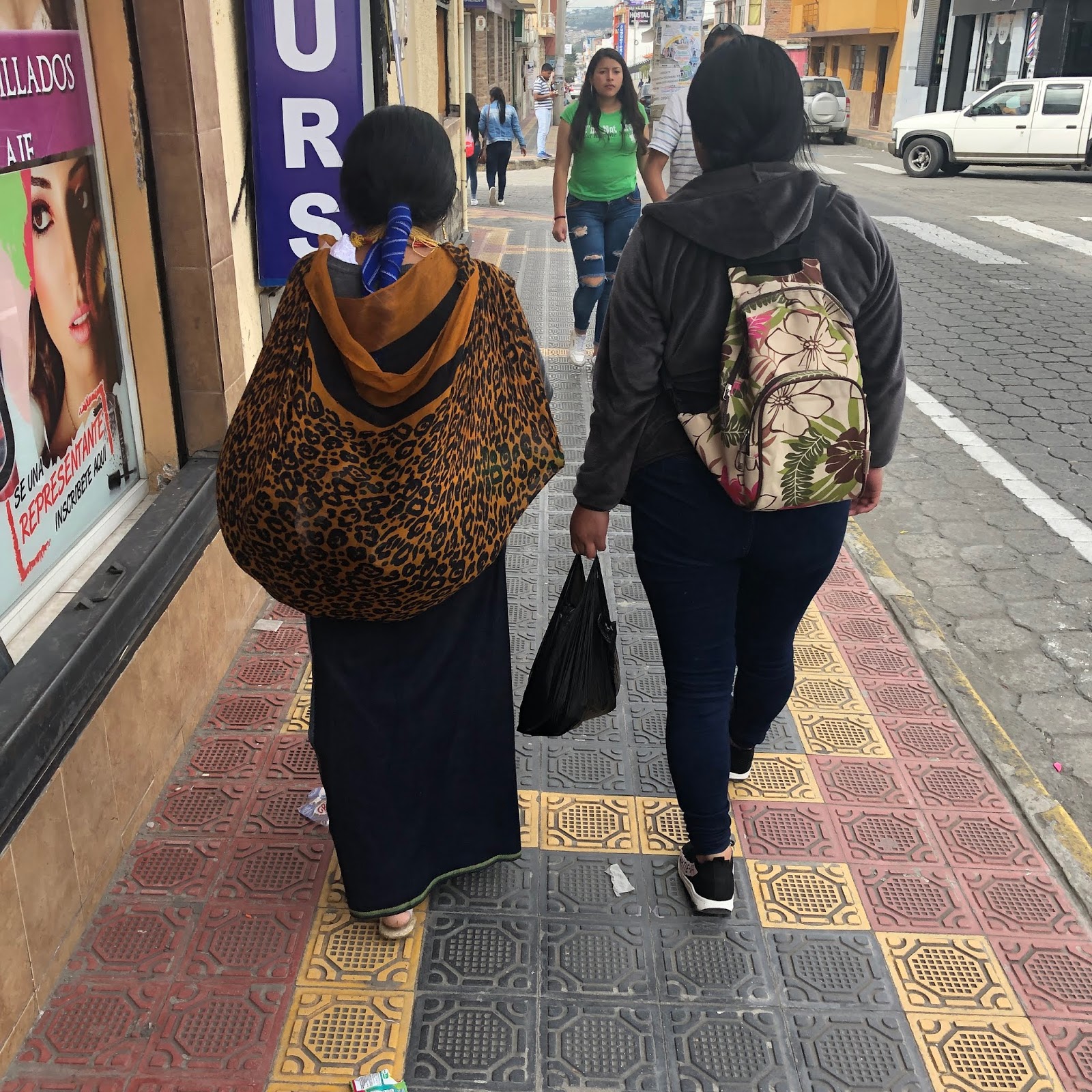
PS. I figured out the indigenous vs. non-indigenous. See pic below. You’ll get it.
 Buddha & Boots