The Great Galapagos Experiment
March 20, 2019
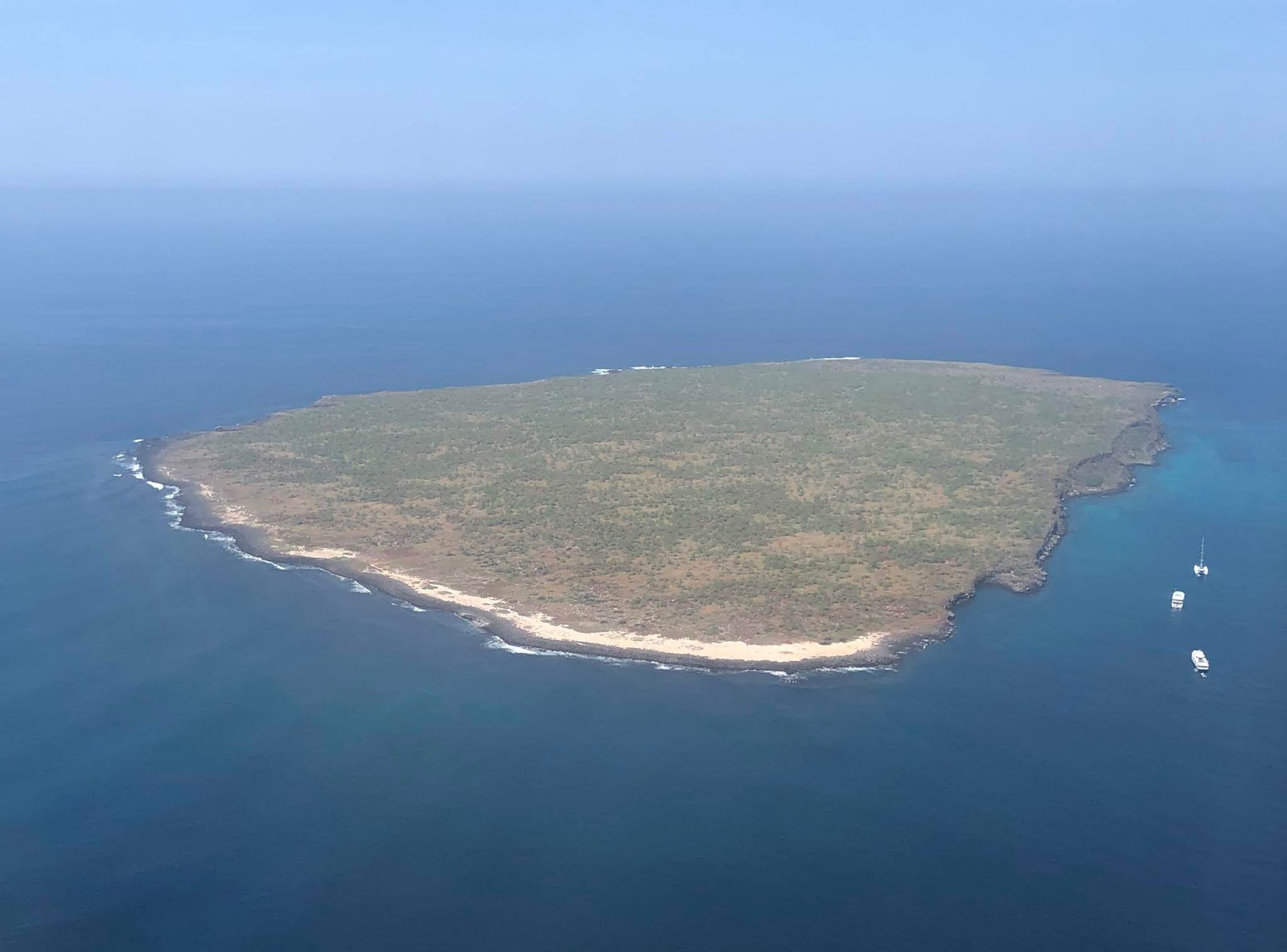
Hola y’all! It’s been a little over a week since my last post. Once I got to Galapagos I shut the computer down and just took it easy. Been back on the mainland for a few days now and putting my thoughts together on the islands has taken a minute, but here it goes.
How does a remote, uninhabitable set of islands in the Pacific become one of the hottest travel destinations on the planet? Turns out to be a pretty interesting question and an even more intriguing answer. I just spent eight days on a boat journeying around the Galapagos islands and here’s what I learned.
PS This is the boat:

Galapagos – to go or not to go?
That was my big travel question.
Galapagos is expensive – even at the budget level it is really expensive, but was it going to be worth it? Time and again I heard Galapagos was amazing, nothing like it, trip of a lifetime, don’t miss it, one of the last wild-ish places left (as a boatmate said). Though I couldn’t get a solid answer as to why, there was enough hype that I decided to give it a try. With visions of countless, never before seen animals around every corner surrounded by untouched wilderness I set off on a cruise to explore the Galapagos. But first, a little history.
The Galapagos Islands were discovered in the mid 1500s. Between discovery and being claimed by Ecuador in 1832 they were almost entirely uninhabited except for occasional pirates and passing ships. Many sailors even considered the islands cursed, though the turtles, seals and whales provided abundant food and energy sources.
Then an accidental voyage changed everything.
In 1835, Charles Darwin sailed through the Galapagos Islands on the HMS Beagle. Between September 15th1835 and October 20th1835, Darwin visited six of the islands in the archipelago: San Cristobal, Floreana, Isabela, Santiago, Wolf and Darwin (but wasn’t called the Darwin insland back then) islands, collecting animal specimens. The one that changed it all was the finch. Darwin found that there were 17 different types of finches on the islands and couldn’t understand why there were so many different species in such a small area, and well, the rest is history. Darwin never returned to the islands but the legacy lives on.
Turns out that by 1846 the giant tortoise of Floreana was extinct as the direct result of human activities. Logbooks show that at minimum over 100,000 giant tortoises were harvested from the islands by whalers. They were used for meat and would be kept alive on ships for up to a year before being killed and used for meat. Tortoise oil, along with whale oil and seal oil, was a primary source of fuel for the multiple attempts to permanently settle the islands after Ecuador’s land claim. First it was used for Ecuadorian prisoners. Death sentences were reduced to life sentences on the islands, but many considered this a worse fate. In the early 1900’s there was a marketing campaign in Norway of all places encouraging settlers to come to the Pacific paradise, but within 3 years they were all dead or were on their way back to Norway. In the 1930’s a rich baroness arrived with her three (yes three) lovers and wanted to turn the islands into a resort for millionaires. There was a lot of drama with her and she ended up dead along with everyone else she came with. Finally, the story of Galapagos changes in 1959 when the shipping of prisoners to the island stopped. Oh yeah, in between the US used the islands for bomb target practice during WWII. By the time all this fun was over, the wildlife in the area was devastated, the land permanently scarred and still little to no way for the islands to support a permanent population. But then Metropolitan Touring got a bright idea, the Galapagos National Park was created and the Galapagos tourism gold rush began.
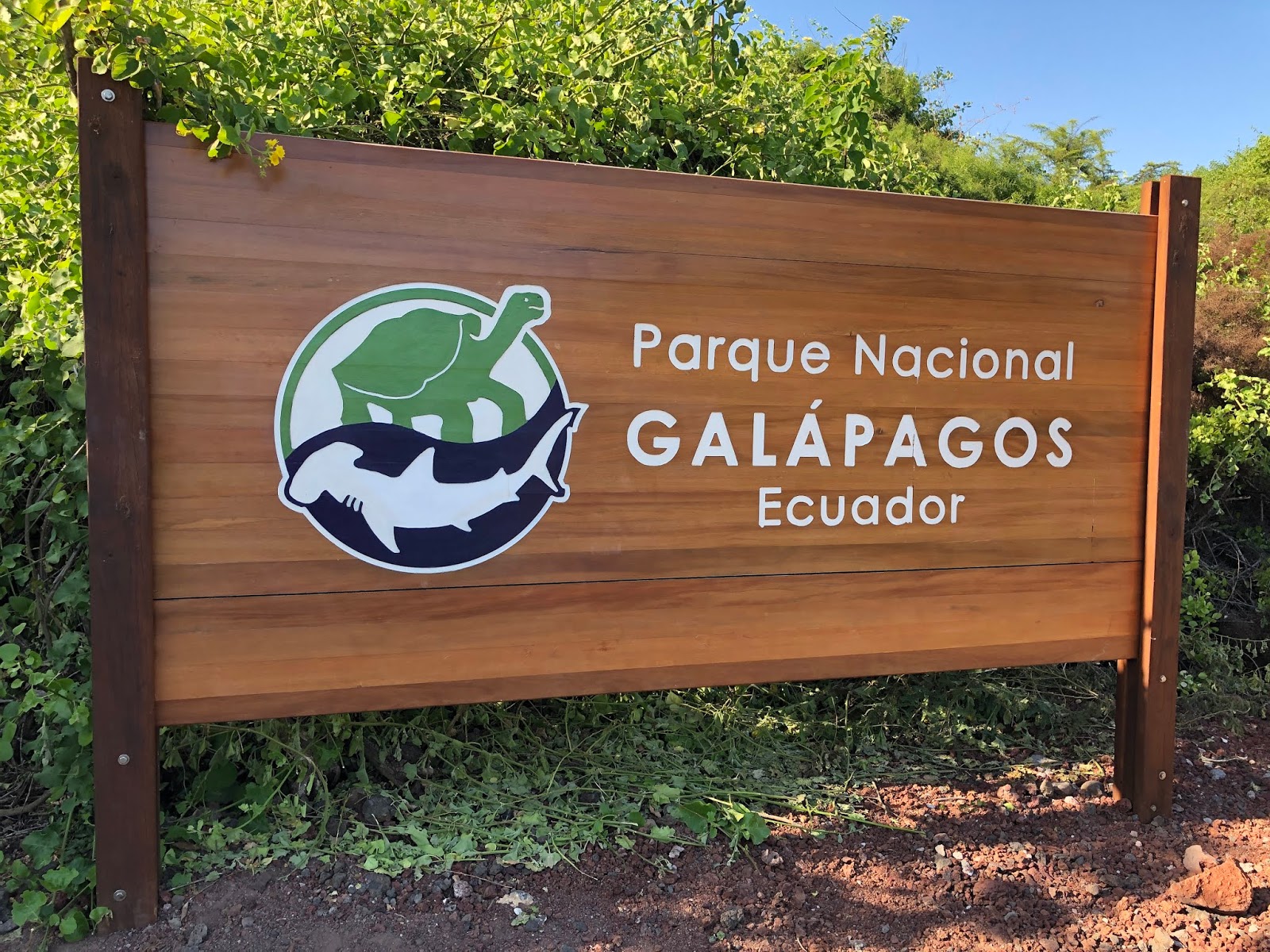
Leveraging the Darwin legacy, the island began to cultivate a story of isolation and wonder. The Darwin research station was started, and people started flocking to the island with dreams of riches from tourism. As the industry grew, eventually the islands became protected with the creation of the Galapagos National Park in the 1950s, the Marine Reserve in 1998 and UNESCO World Heritage Site designation in 2001. Then in 2007 UNESCO put the site on the list of most endangered areas due to the lack of tourism and site management. By 2010 everyone was friendly again and the Galapagos were removed from the endangered list (though many in the environmental community protested). Today the permanent population of the island is about 30,000 and there are almost 300,000 visitors per year. Of the tourism dollars spent to get to Galapagos only about 6% stays on the island and as far as it goes for the permanent residents, the water supply is getting critically low. The good news is the islands are making great strides at becoming green – from solar energy (they currently run on diesel like Hawaii) to the new airport – they are (slowly) embracing more symbiotic practices to support the longevity of the area.

I knew none of this before the trip and found painted a different picture of the Galapagos than I imagined. Where it will all go in the future who knows, but enough background. Let’s get on to the pictures.
 Buddha & Boots